Practicing Exquisite Self-Care
A simple dinner question reveals a holistic health-maintenance routine

Out to dinner with three Information Technology professionals, I felt a bit out of my league. My husband’s former coworker and his wife were treating us to a fancy Italian meal to thank Greg for getting the husband a new dream job.
We talked about more than software and hardware systems, cybersecurity threats, and cloud services, however. Hassan and Jodi seemed impressed to hear that I’m a psychotherapist. “Wow,” Hassan said. “You listen to people’s problems and hardships every day. What do you do to empty your head and recover?”
“I practice exquisite self-care,” I replied without pausing to think. It’s a phrase that came to me in the early days of the pandemic. Stress levels were spiking, and alcohol abuse, anxiety and depression rates were on the rise. People everywhere (literally) were stretched to the max. “We need to up our game,” I told both my clients and my social media followers. “Times like these require exquisite self-care.” It was advice I needed as much as anyone. I allowed myself extra rest, took extra-long walks in nature, and remained connected with loved ones.
The truth is, I heed this recommendation even beyond times of global health crises. As my dining companions suggested, my job as a therapist requires hearing about people’s challenges, traumas, difficulties, and woes. To avoid compassion fatigue, and so that I can show up with clients the way I want—and feel compelled—to, my own self-care requires my careful, daily attention. As I told Hassan and Jodi, for me that involves the following:
· At least a half hour of meditation
· 20 or more minutes of yoga
· An hour or more of walking, pickleball, or running
· Getting out in nature
· Spending time with loved ones
Of course clients come to talk about their difficulties and to work out solutions for them. That’s the explicit goal. As social worker and trauma specialist Resmaa Menakem wrote in his book My Grandmother’s Hands, another reason clients seek psychotherapy is to be with the therapist’s settled nervous system. This is related to the principle that humans are hardwired for what’s called interactive regulation. Even if we’re not consciously aware of it, a settled nervous system invites others to settle as well. Menakem goes so far as to say it’s the primary reason clients come to therapy. Through mirror neurons, my clients benefit from my sense of calm.
The practice of meditation helps me get there. Mindfulness helps cultivate awareness of what’s happening with my own thoughts and emotions. I know when I’m triggered and can self-soothe and refute any irrational thoughts about myself or others that arise.
Another way I attend to my self-care is through paying careful attention to nutrition. I (mostly) avoid consuming junk or heavily processed foods and eat a primarily plant-based diet with lots of fruits and vegetables (though I did enjoy some cheese when Hassan and Jodi treated us to a night out at the Italian Eatery). As Henry Emmons, MD and his team promote in the Chemistry of Joy, meals and snacks include a combination of fats, protein, and carbohydrates. I also pursue hobbies such as making homemade greeting cards and taking improv classes.
“Wow,” Hassan said. “You actually walk the talk.”
Greg vouched for me here, saying I’m probably the most disciplined person he knows (which he also says when people ask how I manage to finish big projects like writing books!).
“And you encourage your clients to do the same kinds of things?” Jodi asked.
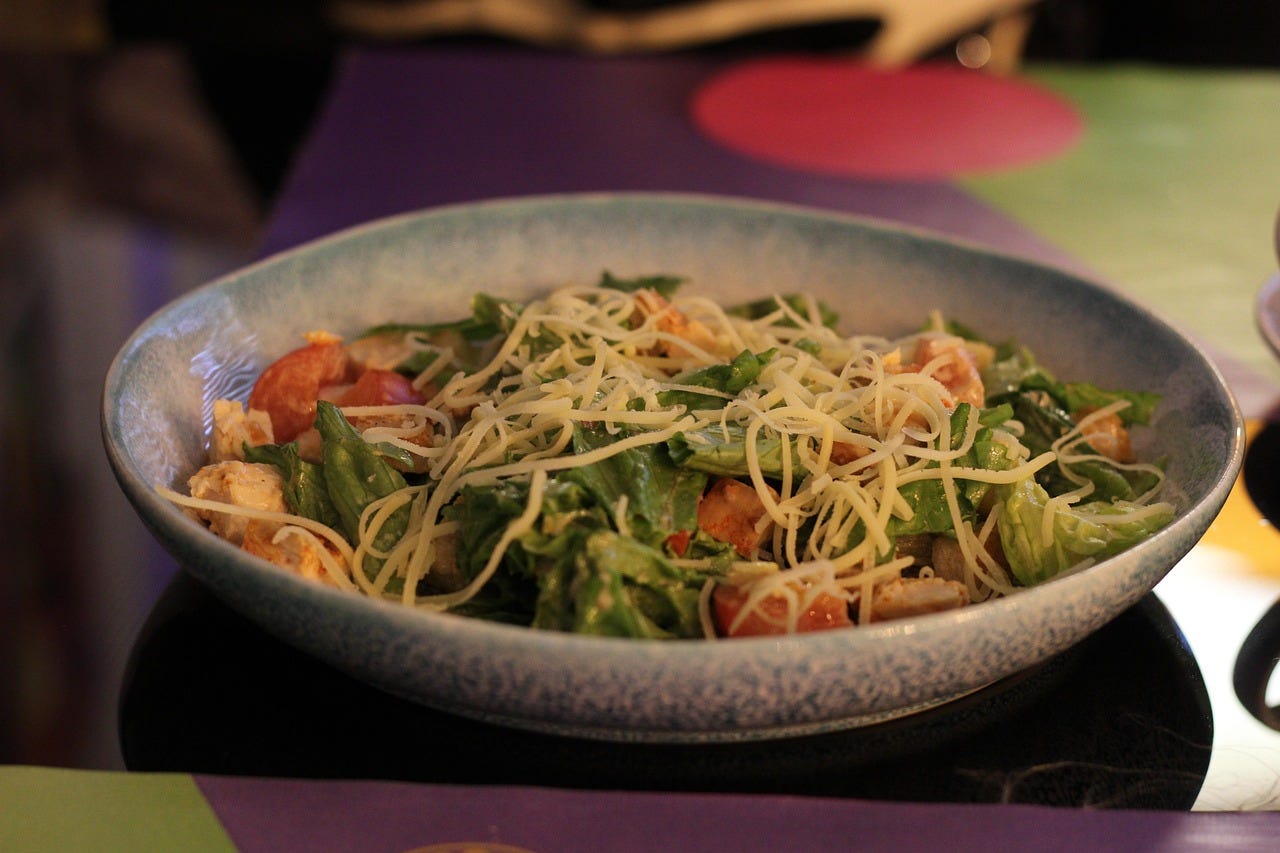
Image by Дмитрий Белов (Dmitry-Belov) from Pixabay
“I do,” I said through bites of zesty pasta and tangy Caesar salad. “I’m careful not to impose things on them if they’re not interested. But if they demonstrate an interest in physical activity, know they eat too much junk food, or tell me they don’t have friends or aren’t having enough fun, I underscore and encourage their efforts to move in the direction I know will help them.”
“Exquisite self-care,” Hassan repeated. “I’ve never heard it put that way. It seems like a brilliant way to sum up so many things you do to recharge.”
Attending to my brain’s and body’s needs through these practices not only keeps me calmer and helps restore my resilience, it’s as exquisite as an evening out sharing a delightful Italian meal with new friends.
Have thoughts, reactions, or comments? ALSO, I’d love to know what you do to maintain your resilience. Please post in the comments below.
* * *
WHAT’S NEXT
MUCH MORE TO COME! I’m in the final stages of completing my next book, on resilience following trauma. In coming Substack posts, I’ll provide previews and share a series of conversations I’ve had with trauma survivors on how they reclaimed their resilience. Paid subscribers receive updates first! I’m soon to announce my next book’s title (HINT: It includes an architecture reference!), and soon after that I’ll reveal the front cover.
* * *
REFER A FRIEND: Know someone who could use tips like these? Please forward this post their way. They can click here to subscribe (and get a free workbook to boot!)!
Tom Glaser is a master’s-level licensed psychologist with more than 38 years of professional experience. Following years of childhood trauma, his own journey toward resilience inspired him to specialize in working with trauma survivor clients. As a longtime student and teacher of yoga and meditation, the mind-body connection informs his teaching and psychotherapy practices. He has appeared on more than 100 podcasts promoting happiness and resilience. Tom’s first book, Full Heart Living: Conversations with the Happiest People I Know, was an Amazon bestseller that gave rise to a live performance piece and documentary. He and his husband divide their time between Minneapolis and Palm Springs.
FIND OUT MORE here: