
The House That Resilience Built: Chapter 1
A Personal Note to My Readers + Where to Buy

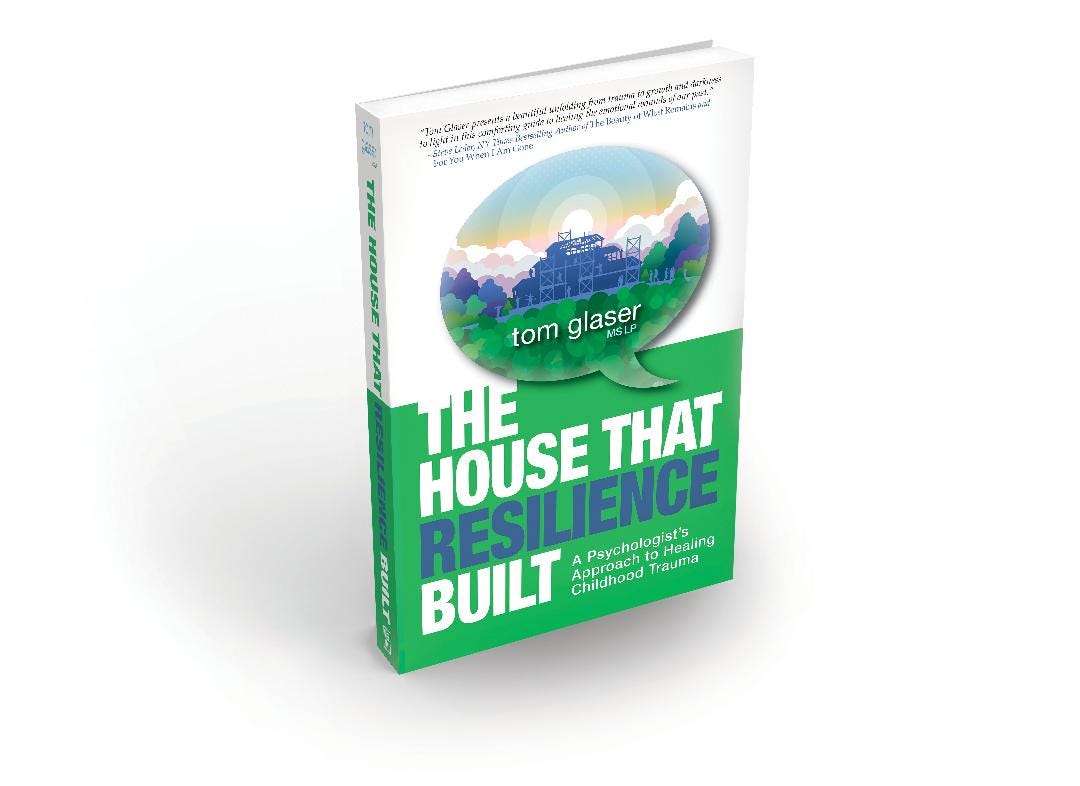
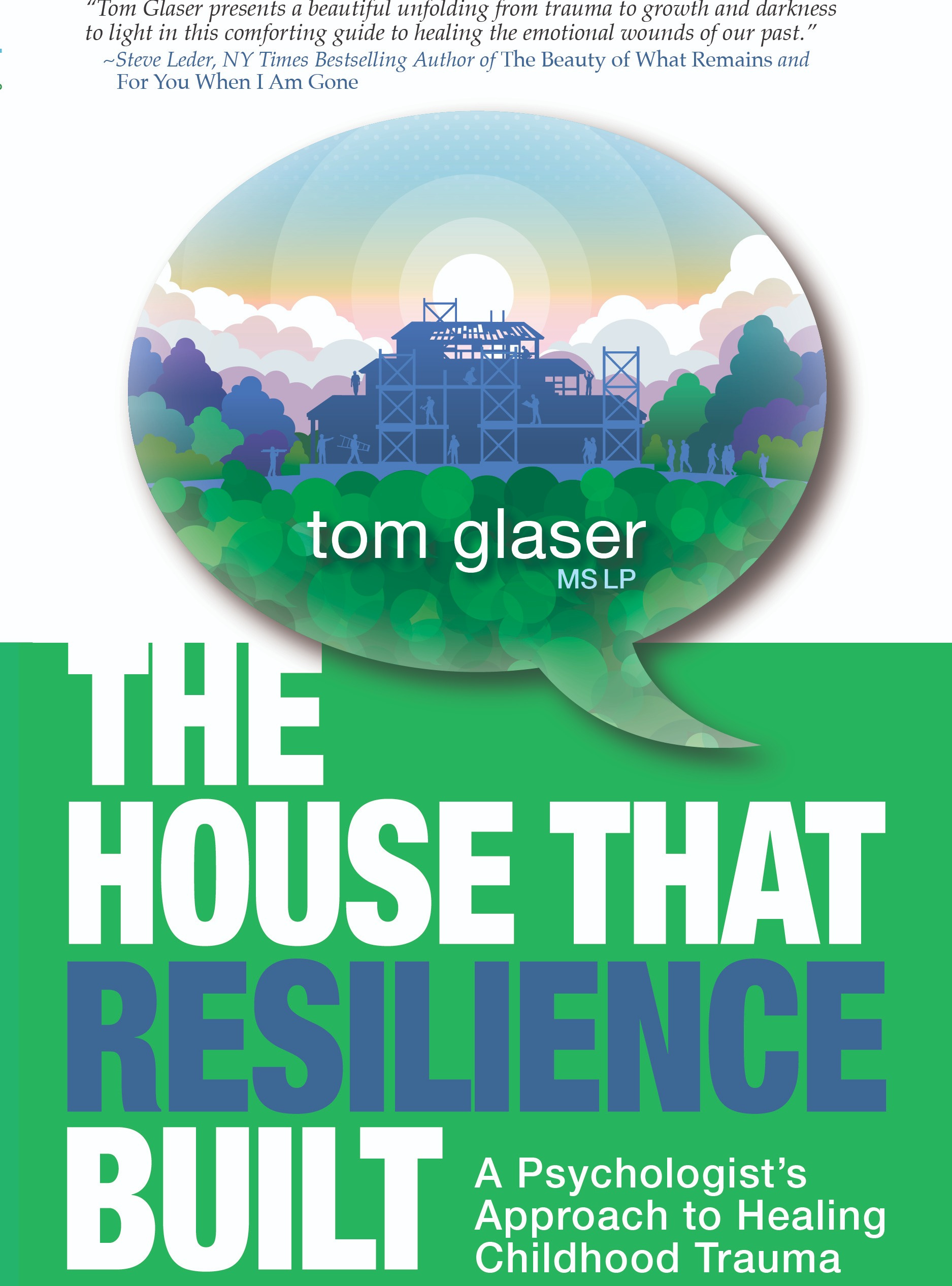
Eight years in the making, The House That Resilience Built: A Psychologist’s Approach to Healing Childhood Trauma is now making its way into the world. Here’s the first chapter, A Personal Note to My Readers, along with info on where to buy.
In my early teens, the word “fag” was scrawled across my school locker more times than I can recall. In class, in the cafeteria, on the bus home, I never knew when some schoolmate might whisper in my ear—or worse, yell across a crowded hallway—how I wasn’t man enough or what sexual acts I ought to perform. Meanwhile, another kind of bullying occurred at home. At any given moment my mom could erupt in a rage-fueled outburst if I accidentally left a homework assignment on the stairway, woke her from her long daily nap, or failed to put dishes away in the proper assigned cupboard. Just about anywhere I went, I felt deficient, unacceptable, and alone.
Whether faced with bullies or my mom’s rage, my response was the same: silence. All I knew was to do was to endure—put up with it and try to disappear into a crack in the tile floor or the cinder block wall, taking my humiliation and helplessness with me. I never told another soul what was happening to me or how I felt about it. Crippling shame prevented me from even considering doing so. I tried to pretend none of it happened.
This forced silence came with an unintended side effect: I rarely spoke about myself. Focusing on others instead, I became an astute observer and listener. But I was careful not to disclose my own opinions and preferences. “You’re too quiet,” my college classmates and workmates often commented, with 1980s bands like Duran Duran and Men at Work playing in the background. “You’re hard get to know,” they told me. “Why can’t you say more about what you’re thinking and how you feel?” At the time I had no answers. If anything, such comments and questions caused me to clam up further. But looking back, I see that revealing less about myself was an attempt to ward off danger; this internal mute button reduced the chance I would be misunderstood, attacked, or bullied. At the time, I didn’t realize this strategy was also limiting and disabling, cutting me off from others as much as it cut me off from parts of myself. My drive to reach my full potential suffered as much as my ability to speak out. This is how trauma can steal not only your voice but also connections to yourself and others—and even your passion and vitality.
While I was in graduate school for counseling psychology in the 1980s, researchers were just beginning to identify the long-term effects of traumatic experiences. In his study on Vietnam vets, psychiatrist and The Body Keeps Score author Dr. Bessel van der Kolk discovered that many combat trauma veterans suffer symptoms such as flashbacks, numbing, emotional dysregulation, and a tendency to superimpose traumatic experiences onto everyday life. Dr. van der Kolk realized that trauma is “stored” not only in the mind, but also in the body, resulting in physical tension, hypervigilance, and marked disruption of daily functioning. In time, researchers came to see that trauma can have similar lasting impact not only on combat veterans, but on anyone who experienced trauma. Now we had a term for it: posttraumatic stress disorder (PTSD).
When I decided to address my own issues in psychotherapy, it was my great fortune to find a phenomenal therapist who helped me put into words—for the first time—the overwhelming experiences I endured growing up. In therapy, and in training to become a therapist myself, caring professionals’ attuned presence created a supportive space in which I felt safe enough not only to disclose what happened to me but also to experience and express the related feelings that had been buried for years. Speaking aloud what had once seemed unspeakable changed my life. I found I was not the inadequate, incompetent, inferior person others had labeled me. Along with finding my voice, I uncovered my capacity to connect with myself, others, and my passions. I discovered I was loveable. My resilience bloomed.
We are all born with resilience. It’s what allows us to recover from setbacks. Think of the countless times toddlers fall down when learning to walk. Resilience gets them get back up to try again. Therapy was instrumental in helping me recover and restore my own resilience. Inspired to find everyday habits that support my physical, emotional, and spiritual growth, I can now say that I live a full, rewarding life, doing work I love, helping other trauma survivors recover their own innate resilience.
Whatever brings my clients to therapy—anxiety, depression, relationship struggles, career dissatisfaction, or something else—the vast majority of them are also trauma survivors. I find they can’t make deep, long-lasting personal change without addressing the underlying trauma. Doing so cannot be done in isolation. Survivors heal only in relationship with another skilled human being who helps hold and absorb the deep, complicated feelings and transform the limiting beliefs trauma instills.
Trauma comes in many forms: abuse, accidents, assault, natural disasters, violence, living in poverty, facing racism or discrimination, a health crisis, bankruptcy, or the sudden death of a loved one. Any experience that overwhelms our resilience to the point where we are unable to cope, let alone recover, is a trauma. In the wake of trauma, especially repeated traumatic experiences (which can lead to a condition called Complex PTSD), survivors often are left with unexplained symptoms such as recurring nightmares, crushing bouts of anxiety, lingering depression, impaired self-esteem, intimacy avoidance, or a crippling fear of anything new or different.
This book (its title stems from an actual, vivid dream about the home I grew up in—see Chapter 3 for more) explores how I came to grips with my underlying trauma, recovered my innate resilience, and now use my experience to help other survivors. I hope you, my reader, can use some of what my clients and I have learned to help deepen your understanding of trauma and resilience and inspire you to find a good therapist yourself if you need one. If you love someone who is a trauma survivor, I hope this book helps you attune to them.
When I use the word “survivor,” I’m referring to an individual who has survived a trauma. Due to its connotation of stasis and overidentifying with the trauma itself, I avoid using the term “victim.” Also, I prefer to use the term “client” as opposed to “patient,” as to me, the former invites a more collaborative, active, and equal role. This book is not exhaustive in exploring all the various types of trauma, nor does it cover all the many ways therapists work with trauma. Instead, it provides an overview of how I tend to work with trauma survivors.
The first section of this book explores how I came into this work and presents an overview of trauma and how I work with trauma survivors. Here I highlight seven critical aspects of my work with clients, which I call “The Seven Building Blocks of Trauma Resilience.” These key elements are: 1) Being Heard: Presence is Everything, 2) Trusting: Feeling Safe (Enough), 3) Connecting: It’s All in the Body, 4) Changing: Gaining Awareness, Modifying Habits, 5) Deepening: Transforming Behaviors, 6) Discerning: Reframing the Inner Story, and 7) Speaking: Finding Your Voice.
In the second section, I offer seven case studies. Each highlights one of the seven building blocks. While the client stories are based on actual events I’ve encountered in my psychology practice, the clients described are composites, depicted for the sake of demonstration and explanation. To protect confidentiality, all client names, descriptions, and identifying details have been altered. Likewise, all the people mentioned in my personal anecdotes are based on actual events and real people as I remember them, though to protect their privacy I’ve changed their names and identifying details, and in some cases I’ve combined several individuals into composites. In this section, personal anecdotes and reflections on the cases appear in framed boxes. The second section concludes with a short exposé of what to expect should you happen to come to see me for therapy.
The third section includes suggestions on what to look for in a therapist and what to do if someone you care about reveals they are a trauma survivor.
If you are a survivor yourself or struggle with related issues, this book could be taxing for you to read at points. I reference addiction, bullying, disordered eating, the deaths of loved ones, parental neglect, physical and sexual assaults, and gay conversion camps. I’ve done my best to omit potentially triggering details without sacrificing necessary specificity. Please be kind to yourself, go at your own pace, and reach out to a trusted other if you find yourself triggered. Seek professional help as needed.
If you love someone who is a survivor, you might find this book in turn both enlightening and unsettling. As above, please be kind to yourself, go at your own pace, and reach out to a trusted other if you find yourself activated. Seek professional help as needed.
If you are a highly sensitive person (HSP) like I am, you might find reading about other people’s trauma especially challenging.
Whatever your situation, please prepare before reading by pondering this question: What do I need to do to feel calm and safe as I explore this book? Identify ways to soothe yourself. Perhaps take time outs every now and then to write about your reactions in a journal, go for a walk, call a trusted loved one, or listen to music. Know you are not alone. In one way or another, trauma touches us all.
Remember, this book is ultimately about resilience. You’ll hear how psychotherapy helps survivors not only live with what happened to them—under the right conditions, survivors can emerge from a “trauma cocoon” liberated like a butterfly from a chrysalis, transformed into resilient souls with much to offer the world.
Write what you know. It’s the classic writer’s advice. I know trauma. I know surviving trauma. As a psychologist I know about working with people who are trauma survivors. I also know that with the right support, survivors can recover their resilience and come to live meaningful, satisfying, dynamic lives. So that’s what I decided to write about.
Thank you for reading.
* * *
As an indie author with a niche subject, in addition to word of mouth, one of the best ways for me to reach a readership is on Amazon.com. And I could use your help to crack Amazon’s algorithm!
Four small ways to support this big dream are:
1. Whether for yourself or someone you know, buy The House That Resilience Built tomorrow, Thursday, February 12. If you like, I will sign it the next time I see you.
2. Order The House That Resilience Built e-book Thursday, February 12. At $2.99 (special launch promo offer), less than a cup of coffee, this extra step could help me crack the bestseller list in my category. Bestseller status is HUGE in the algorithms. Even if you purchase a hard copy, please ALSO buy the e-book. (Or purchase just the e-book according to your budget and interest.)
3. Leave a Review on Amazon.com and Goodreads. Don’t overthink it—this can be short and sweet! (You don’t need to finish the book before reviewing. Just scroll to the end if your only copy is an e-book.) Amazon can pull the review if it looks like you know me, so keep it neutral. MAJOR BONUS POINTS for including a picture with the review and up-voting other positive reviews by clicking “Helpful.” NOTE: I can provide prompts or help you write it if writers block attacks. (Trust me, I know a thing or two about that!)
4. Spread the News. Share announcements about my book’s launch on your social media. To make it easy, I’ll send images a day or two before launch. And Talk It Up: Tell all your friends and relations. Word of mouth is the surest path to more readers.
Other Ways You Can Help:
· Get me booked on your favorite podcast
· Invite me to attend your book club
· Request your library carry the book
· Ask your bookseller to carry it
· Organize a virtual or in-person event
· Follow me on Bluesky and LinkedIn
· Invite others to my Substack (usually only about two—but highly compelling IMHO!—emails a month)
Because we all deserve to live with dignity and without fear, 10% of net purchases will be donated to Immigrant Defense Network.
If you prefer, please consider ordering from your local independent book seller. Two of my favorites in the Twin Cities are Magers and Quinn (612) 822-4611 and Moon Palace (612) 454-0455. Another option is to buy directly from the warehouse, Itasca Books.
* * *
WHAT’S NEXT
In coming Substack posts, I’ll provide more excerpts and continue this series of conversations I’ve had with trauma survivors on how they reclaimed their resilience.
UPCOMING EVENT:
Friday, March 6, 9:00 a.m.
“The Seven Building Blocks of Trauma Resilience: A Full-Hearted, Integrative Approach to Healing Childhood Wounds,” a 3-hour workshop for mental health professionals based on The House That Resilience Built. Minnesota Psychological Association
More book launch events coming soon.
* * *
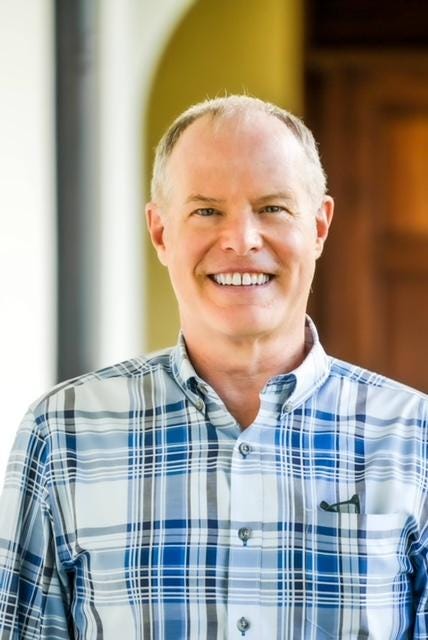
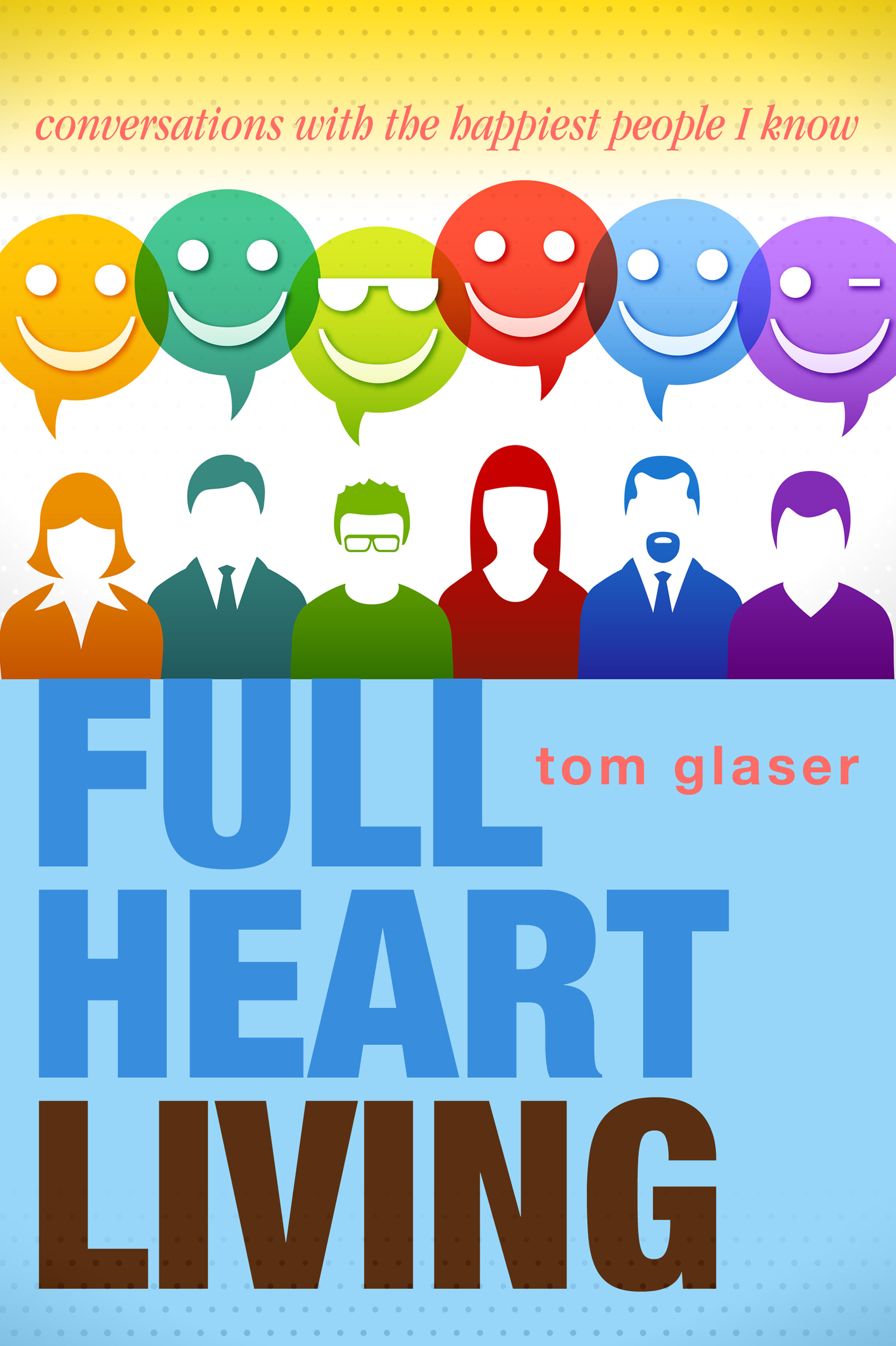
Tom Glaser is a master’s-level licensed psychologist with more than 38 years of professional experience. Following years of childhood trauma, his own journey toward resilience inspired him to specialize in working with trauma survivor clients. As a longtime student and teacher of yoga and meditation, the mind-body connection informs his teaching and psychotherapy practices. He has appeared on more than 100 podcasts promoting happiness and resilience. Tom’s first book, Full Heart Living: Conversations with the Happiest People I Know, was an Amazon bestseller that gave rise to a live performance piece and documentary. He and his husband divide their time between Minneapolis and Palm Springs.
FIND OUT MORE here: www.tomglaserLP.com
Hi Tom. Congratulations. Can you tell me how to get it without going through Amazon?
Congrats on the release of your book, Tom! Next stop: Amazon for buying it today!